The first post of the series argued that human societies are dynamical systems characterized by a complex pattern: bi-generational fathers-sons cycles superimposed on top of longer secular oscillations. I supported this idea with several data series quantifying the frequency and intensity of instability events, ranging from assassination, urban riots all the way to transformative revolutions and full-blown civil wars. Such data are constructed from the analysis of a variety of texts — chronicles, archival records, memoirs, and so on.
But wait, you might ask, can we really trust these sources? After all, recorded history is affected by a variety of biases. Furthermore, subjective decisions must often be made when translating textual evidence into numbers reflecting the extent and intensity of an instability event.
Many doubt that History can be transformed into a quantitative, analytical science, including famous philosophers of science, such as Karl Popper. When I started on the research path that eventually led to Cliodynamics, I also didn’t realize the potential of quantitative history.
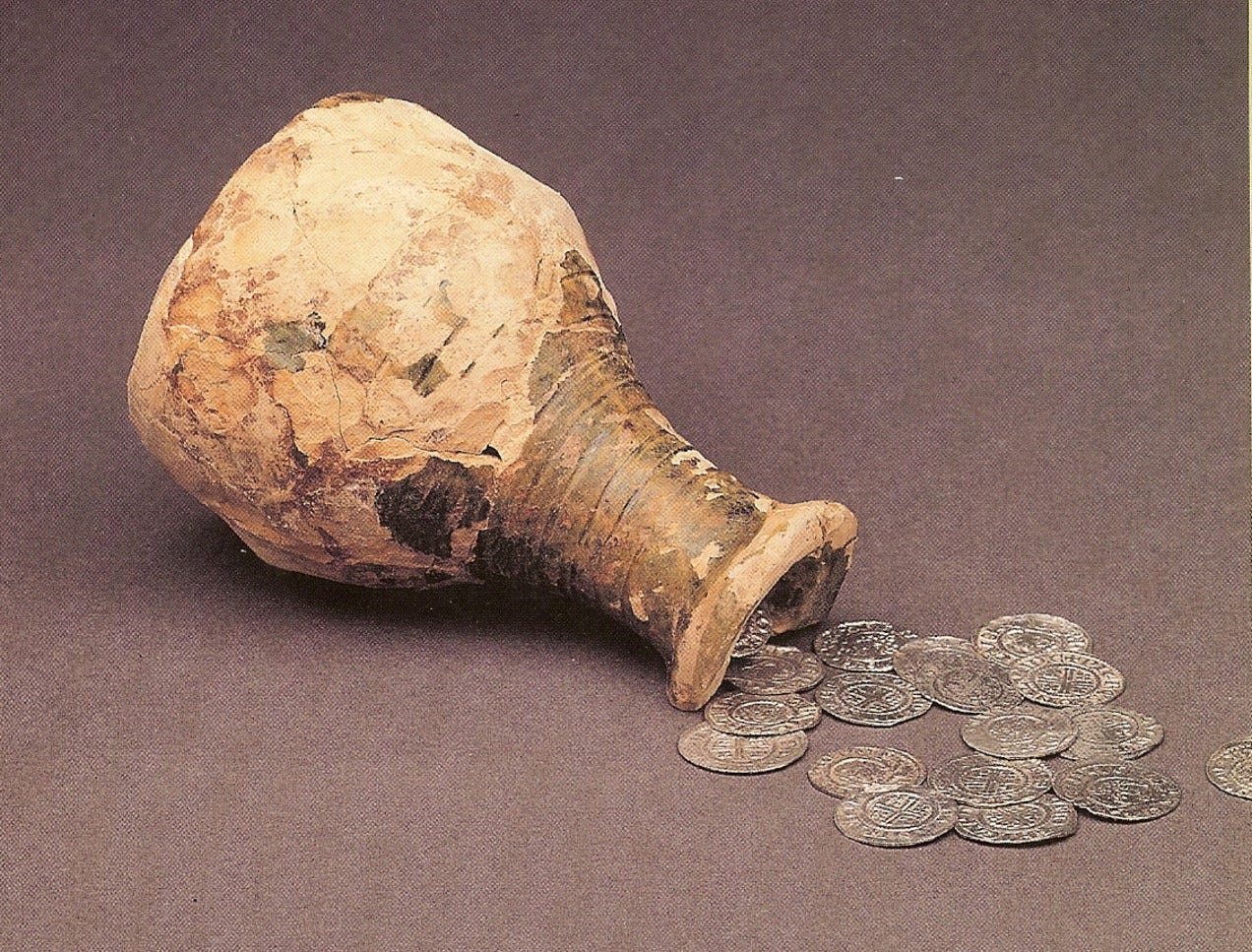
It turns out that the solution is to look for, and find, “proxy variables,” quantitative indicators that are highly correlated with the variable of interest. One unexpected place to find such data, indicating the fluctuations of political instability, turned out to be coin hoards. Not just a stash of precious metal ingots, but one containing coins — because coins are datable.